
Updates that matter
The newsflow in robotaxis and humanoid robots can be overwhelming. Each month, Martin Viecha and the MV Motion team summarize the most important news stories, share our perspective, and comment on the latest deployments on RobotaxiMap.com. Stay on top of the industry in 5 minutes - or dig deeper, if you prefer!
This month, we present you with 6 exciting news story picks and 2 Robotaxi Map deployment updates!
Top story picks
1. Waymo officially launches Ojai vehicles
Summary
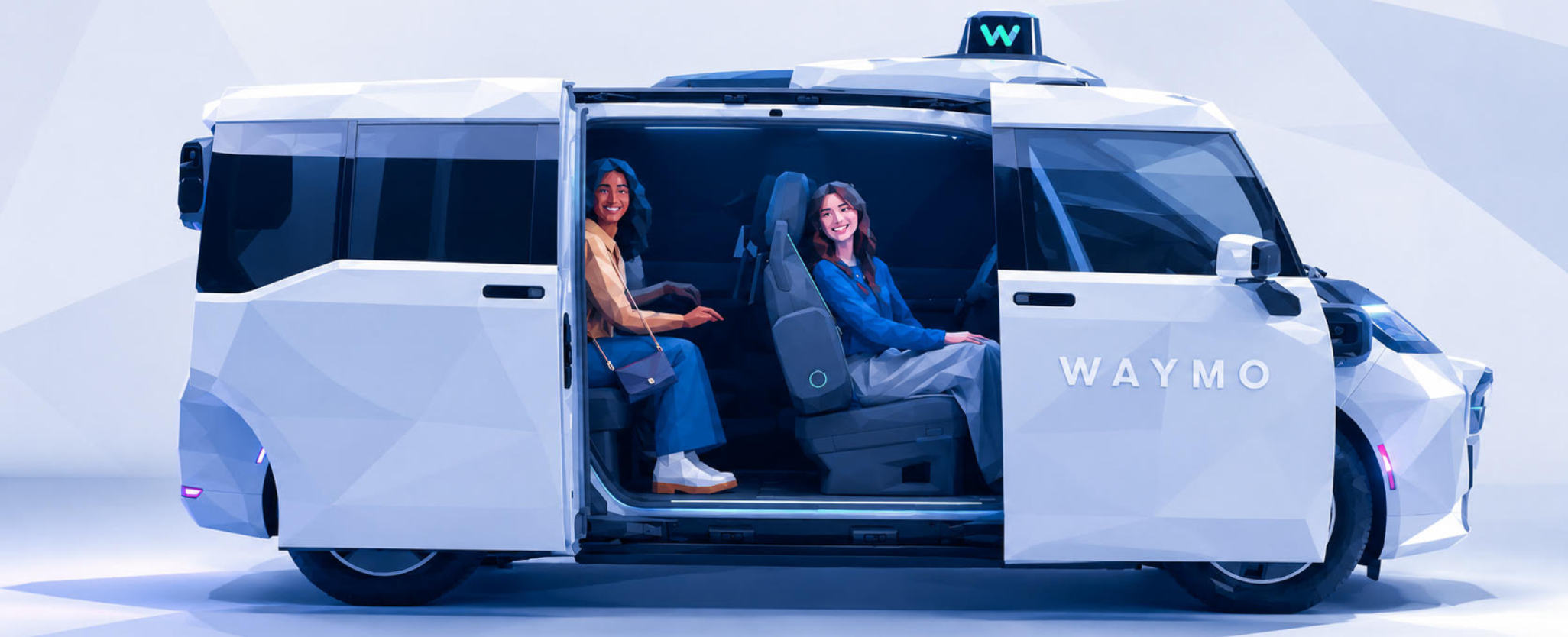
Waymo is rolling out Ojai, its new purpose-built robotaxi based on Zeekr’s electric minivan platform, to select riders in San Francisco, Los Angeles, and Phoenix. The vehicle debuts Waymo’s sixth-generation Driver, using a reduced but upgraded sensor suite across 13 cameras, 4 lidars, and 6 radars. Ojai is designed around ride-hailing use cases, with a larger cabin, lower step-in height, and improved accessibility features. Initial rides are free as Waymo gathers rider feedback before broader paid deployment.
Our take
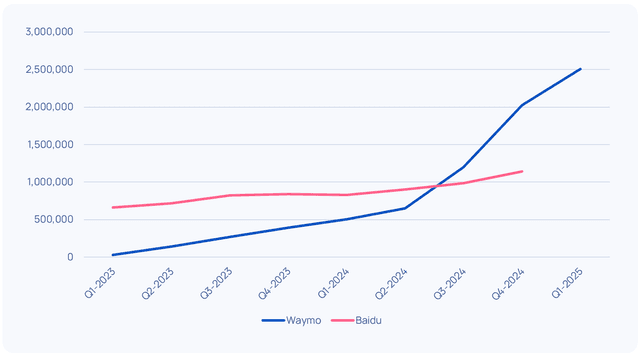
Many believe that the new Ojai robotaxi matters because it will provide a superior customer experience. We disagree: The importance of the Ojai robotaxi is predominantly rooted in Waymo's ability and willingness to grow its robotaxi fleet. Why would Waymo want to grow as quickly as possible with the old Jaguar product with an outdated sensor suite. Naturally, they want the next-gen model to fuel their growth. We believe that while Waymo used to expand its fleet by 400-500 robotaxis per quarter, that growth rate is likely to hit a much higher gear.
2. Tesla patents new camera-cleaning design
Summary
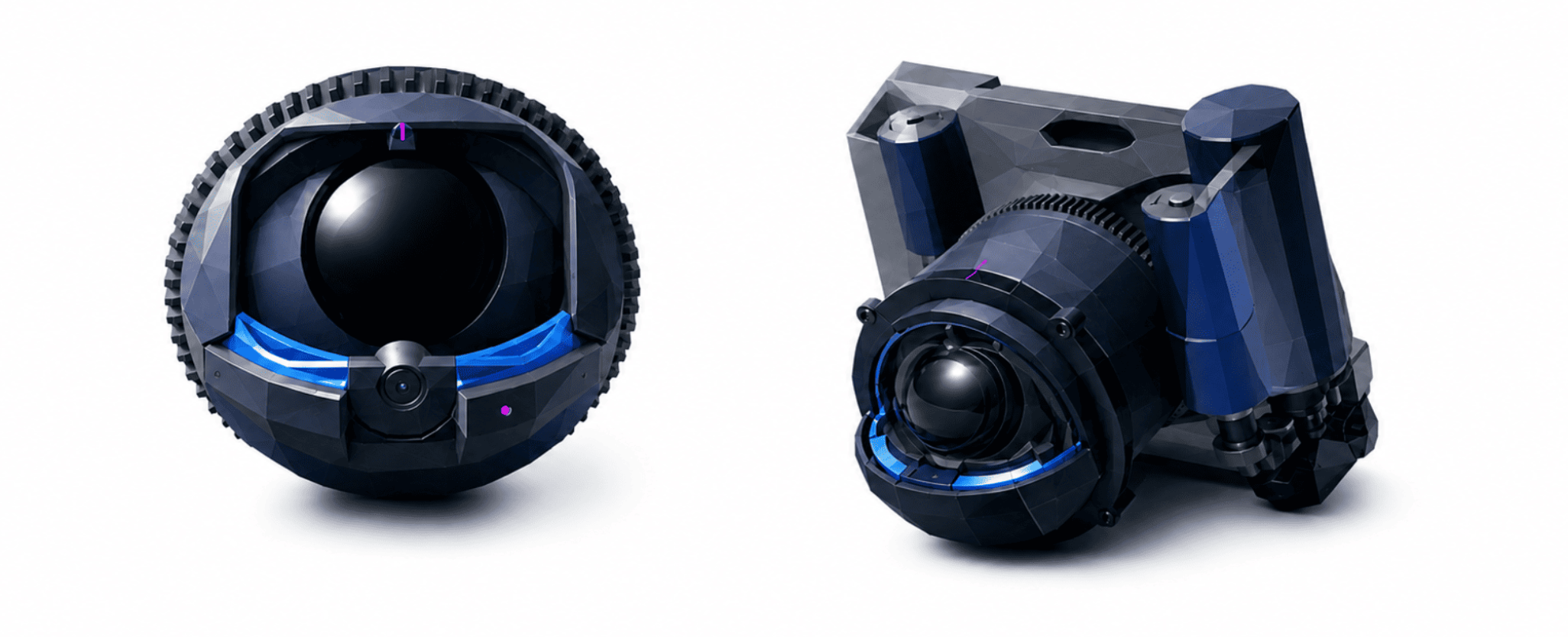
Tesla has secured a new patent for a self-cleaning camera lens system. The design integrates a compact wiper, cleaning-fluid reservoir, and dispensing mechanism around the lens, allowing debris, water, mud, or snow to be cleared without large external washer hardware. The patent is relevant to Tesla’s broader autonomy roadmap, including robotaxis and potentially Optimus, where unattended operation depends on cameras remaining clean and functional in varied real-world conditions.
Our take
Tesla’s camera-cleaning patent matters because it addresses a boring but critical robotaxi scaling problem that we have been pointing out for some time, most recently in Tesla just fixed its main Robotaxi Hardware Deficiency: cameras fail when snow, rain, dirt, bugs, or road grime block the lens. The patent images specifically show snow obstructing the camera, which is important because snow is one of the clearest gaps between a sunny-weather demo in states like Texas and scalable, universal autonomy. This is an important move in the right direction.
3. Figure AI lands commercial logistics deal after its livestream demo
Summary
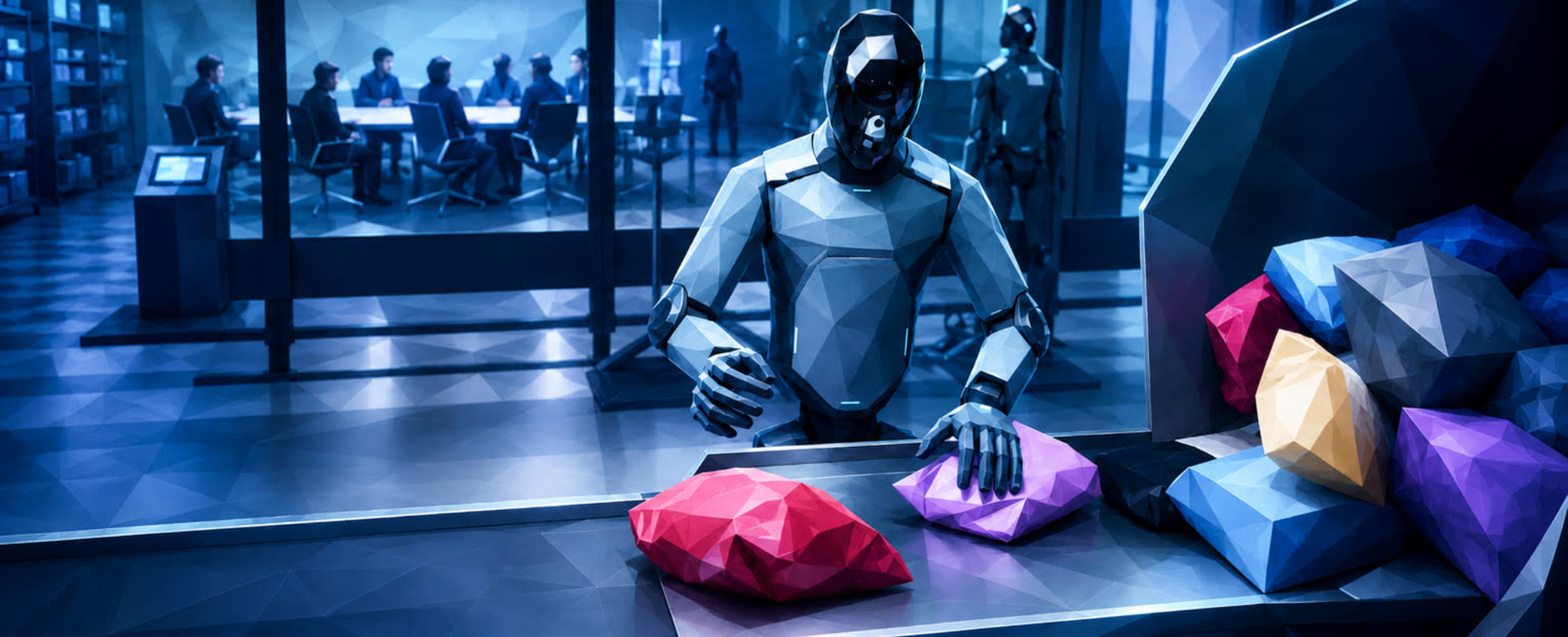
Figure’s livestreamed logistics demo showed Figure 03 humanoids picking up small packages, identifying the barcode, and placing each item barcode-side down on a conveyor. What began as an eight-hour autonomy test ran for 200 hours, with the robots sorting ~250,000 packages. A separate 10-hour human-versus-robot round saw Figure 03 sort 12,732 packages, slightly behind a human intern’s 12,924. Figure followed the demo with a Catalyst Brands partnership, starting at its Reno distribution center.
Our take
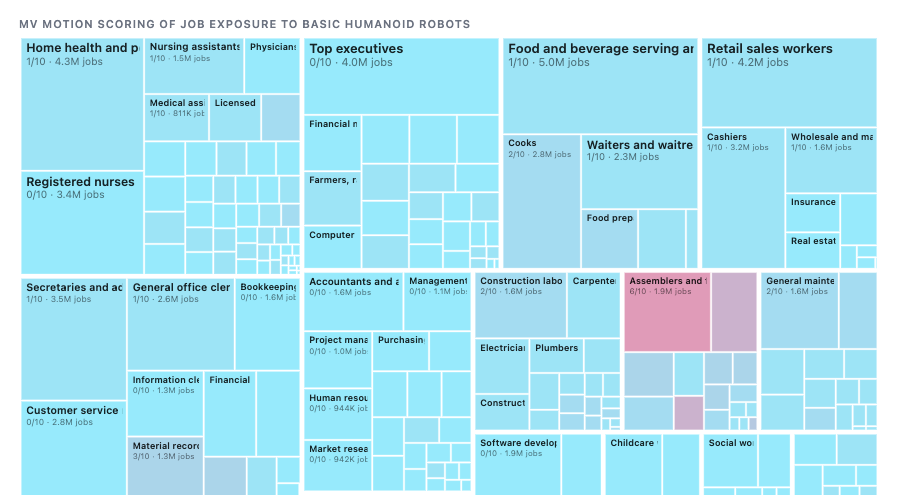
Figure’s livestream was a brave move and we applaud it: We have been saying for a long time that Humanoid companies should stop posting highly produced videos of a robot doing something impressive for 20 seconds. Instead, give us a timelapse video of a 100 hours of actual labor. Figure AI just did, and then some. Yes, while this specific job is in the lowest percentile of the simplest jobs a human can do, the robot did remarkably well, doing real work for well over a week non-stop. We still argue that the overwhelming majority of manual jobs require far too much nuance and precision to be automated by humanoids anytime soon. That said, this was the first truly impressive humanoid demo in years.
4. Mobileye sheds light on solving edge cases
Summary
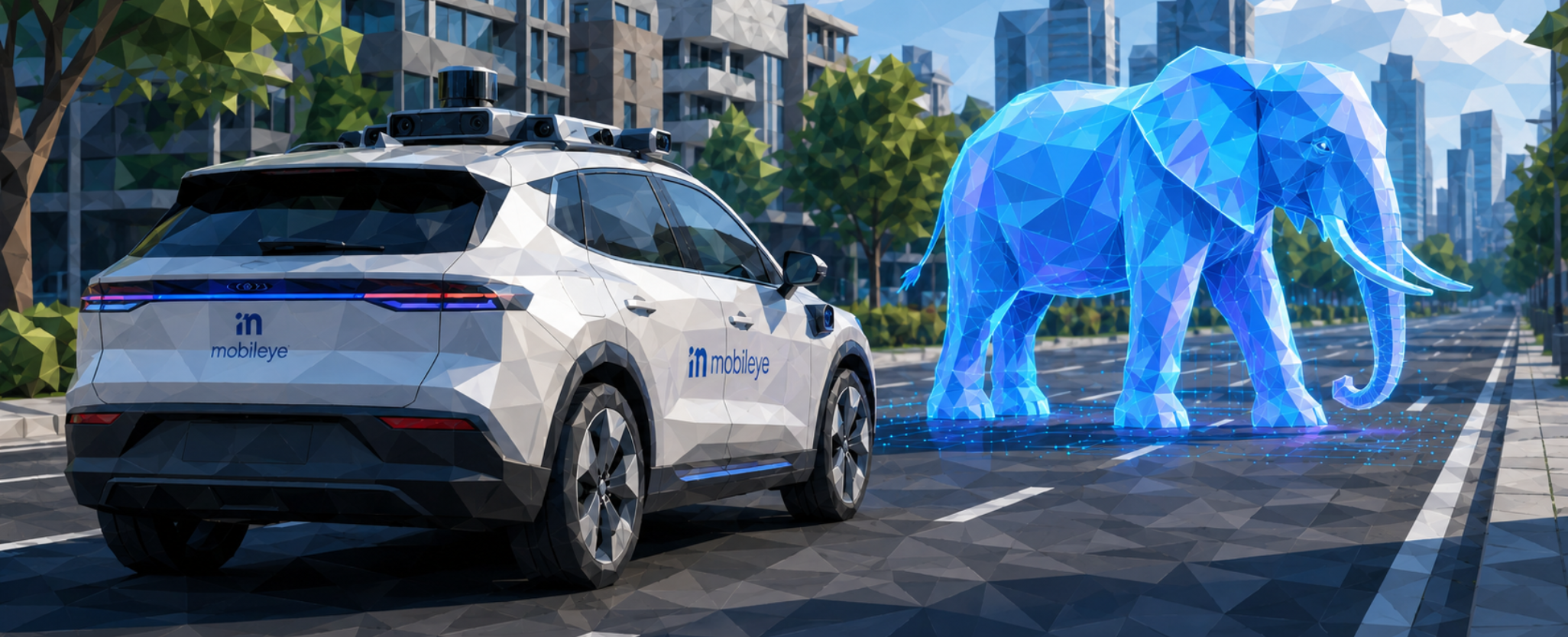
Mobileye introduced two AI tools, Meteor and Genario, aimed at solving autonomous driving edge cases more systematically. Meteor analyzes millions of hours of driving video to find recurring failure patterns, generate hypotheses, and retrieve similar scenarios from Mobileye’s dataset. Genario then converts those findings into photorealistic synthetic scenarios, varying conditions such as lighting, weather, visibility, road layout, and obstacle position. The approach is meant to move beyond simply collecting more miles toward targeted training on rare but repeatable failures.
Our take
Mobileye has been having a difficult time since spinning out of Intel in 2022. The company publicly dismissed Tesla's end-to-end AI approach to autonomy, but has thus far fail to even meet Tesla FSD capabilities. Extensive testing have shown us that Mobileye's Supervision is far behind Tesla's FSD. The main challenge with this announcement of "using AI to solve edge cases" is that even fairly common cases have not been solved yet. Mobileye clearly has enough access to data as its Supervision stack runs on ~300,000 vehicles covering ~3 billion miles per year.
5. Tesla teleoperators involved in two minor crashes
Summary
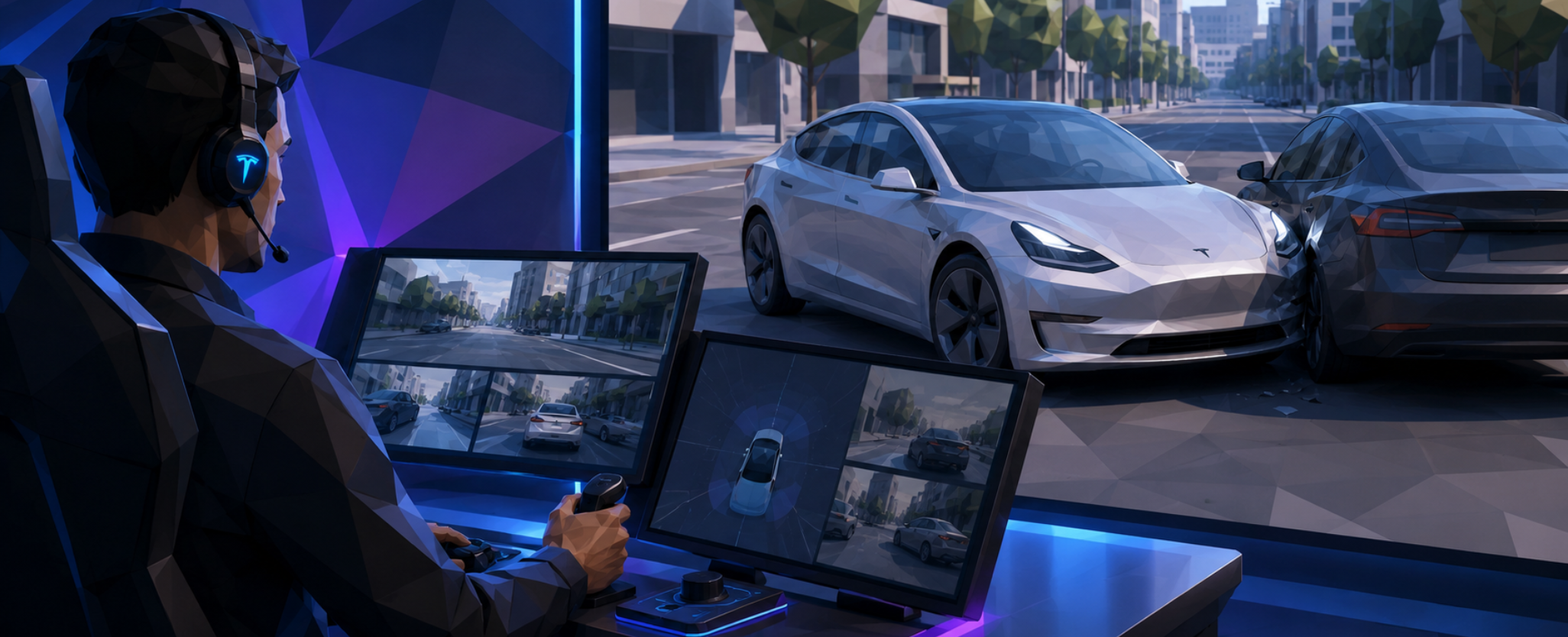
Tesla disclosed two Austin Robotaxi crashes where a remote teleoperator was controlling the vehicle. In one July 2025 incident, the ADS was stopped and a safety monitor requested help; the teleoperator accelerated and steered left, mounting a curb and hitting a metal fence. In January 2026, a teleoperator took control from a stopped position and drove into a temporary construction barrier at about 9 mph. Both incidents were low-speed, with no passengers onboard.
Our take
In our report Can Teleoperators help accelerate Robotaxi Deployment? we described why remote drivers are a bad idea (while teleoperators are definitely necessary). While teleoperators simply guide each car by answering the car's questions about the current situation, remote drivers operate cars remotely. As we have seen from those two collisions, this is a tricky path to take, as the latency and visibility for a remote driver are not good enough. The autonomous driving software should always be in charge, while occasionally getting advice from a human teleoperator.
6. 1X starts production in California

Summary
1X has opened its NEO Factory in Hayward, California, starting full-scale production of its NEO humanoid robot. The 58,000-square-foot facility is described by 1X as a vertically integrated factory, covering hardware manufacturing, assembly, testing, and deployment preparation. The site currently employs more than 200 people, with 1X positioning it as the first U.S. factory built specifically for consumer humanoid production aiming for annual output of 10,000 robots. The company says American consumer shipments are planned for 2026.
Our take
1X’s California factory is going to raise a few eyebrows. Opening a production facility suggests the company wants to move from demos to consumer deployment...in the next 6 months. Factories and warehouses are highly controlled environments. Homes are not. Homes have stairs, pets, children, elderly people, clutter, glass, bathrooms, kitchens, and unpredictable human behavior. Humanoid robots fall sometimes; would you have your kids and pets around humanoids this year? Even if they are teleoperated? In our view, humanoid robots for home use are still quite some time away. Repetitive tasks at a factory are one thing; cleaning glass dishes in your house is a completely different ball game.
RobotaxiMap.com updates
1. Waymo starts testing in Virginia
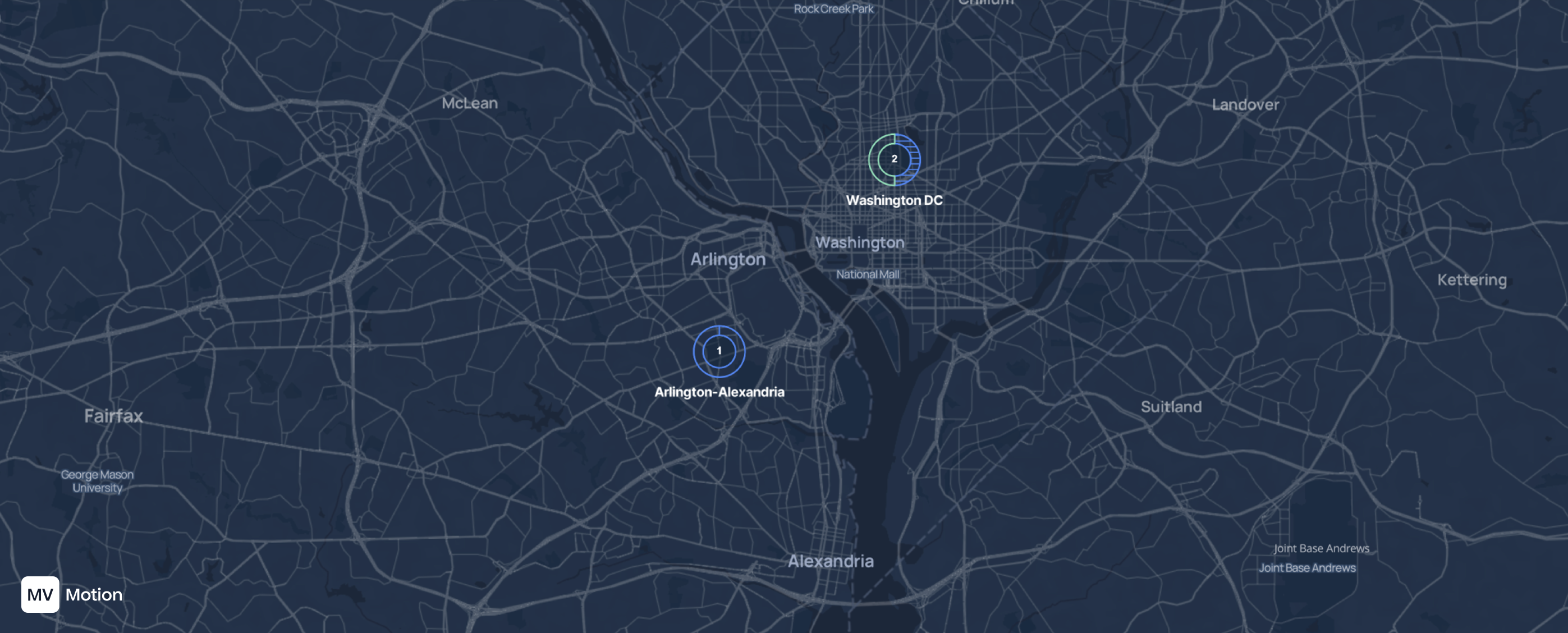
Waymo’s move into Arlington and Alexandria is more than another mapping exercise: it starts to close the geographic gap around the Greater Washington DC - Baltimore metropolitan area. Waymo has already been laying groundwork for a DC launch as well as testing in Baltimore, while Virginia had remained the obvious missing piece across the Potomac river. Testing in Northern Virginia gives Waymo exposure to dense commuter traffic and cross-jurisdictional complexity, but commercial service will still depend on final regulatory approval. Ultimately, should these go through - Waymo would gain coverage of a metropolitan area with over 10M people.
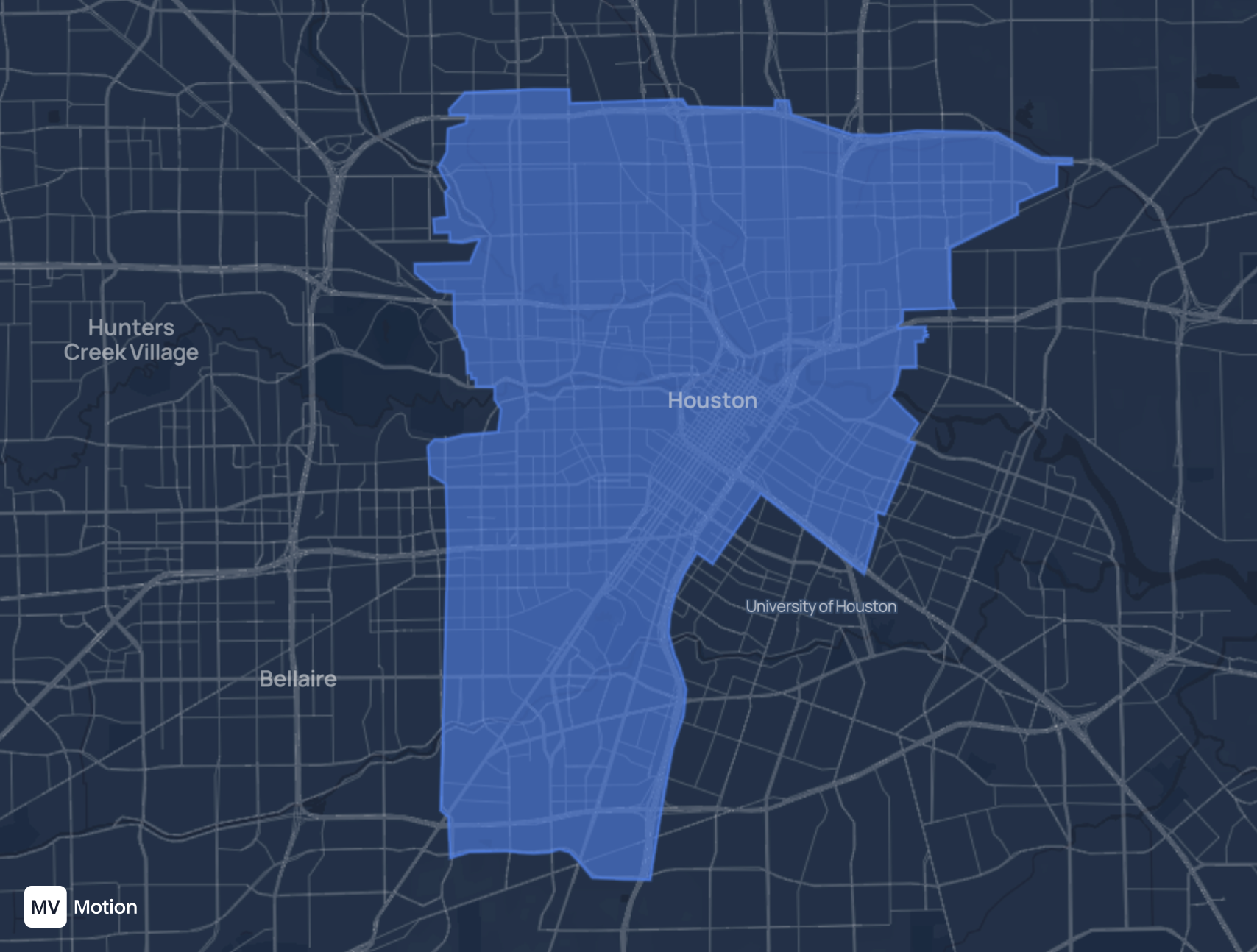
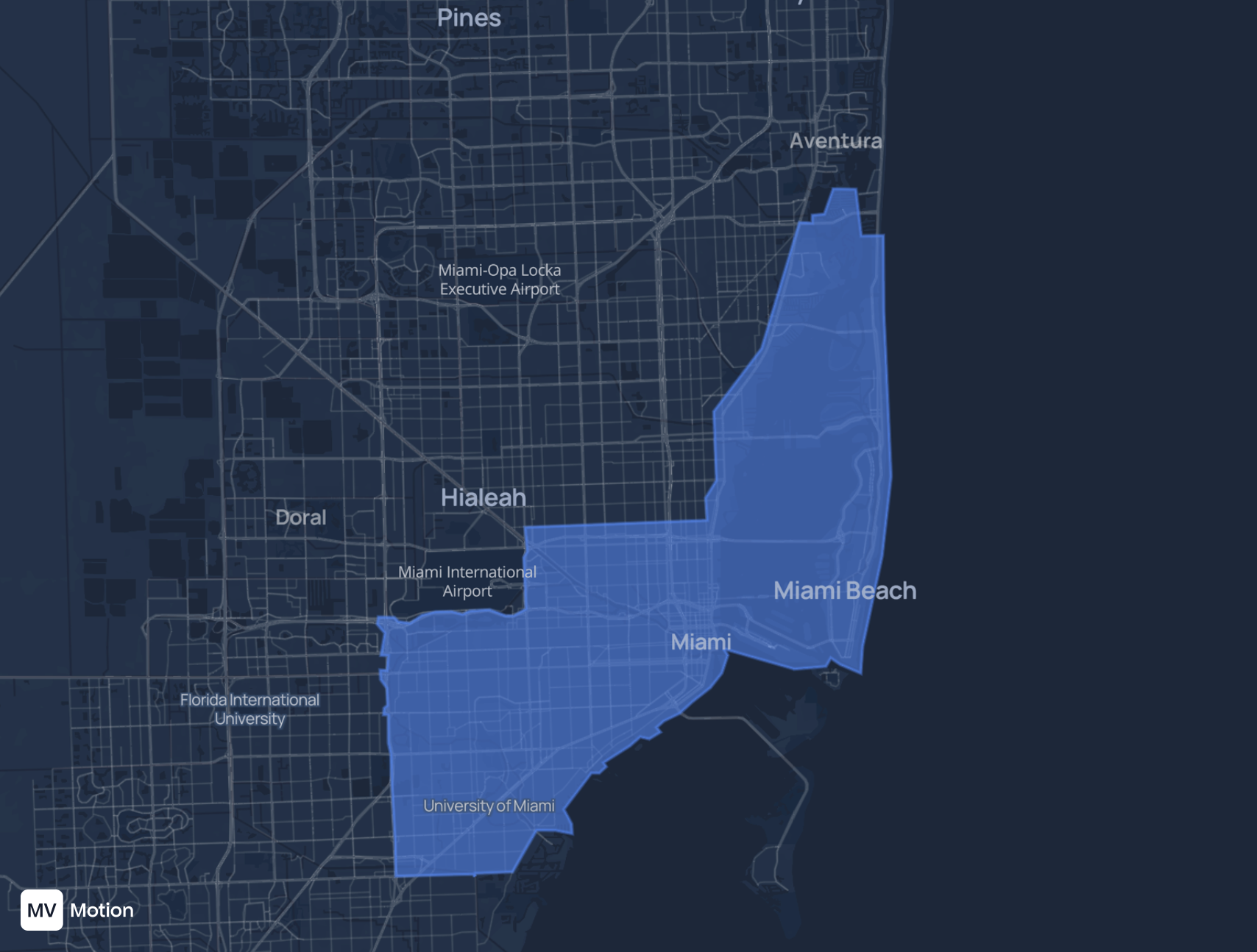
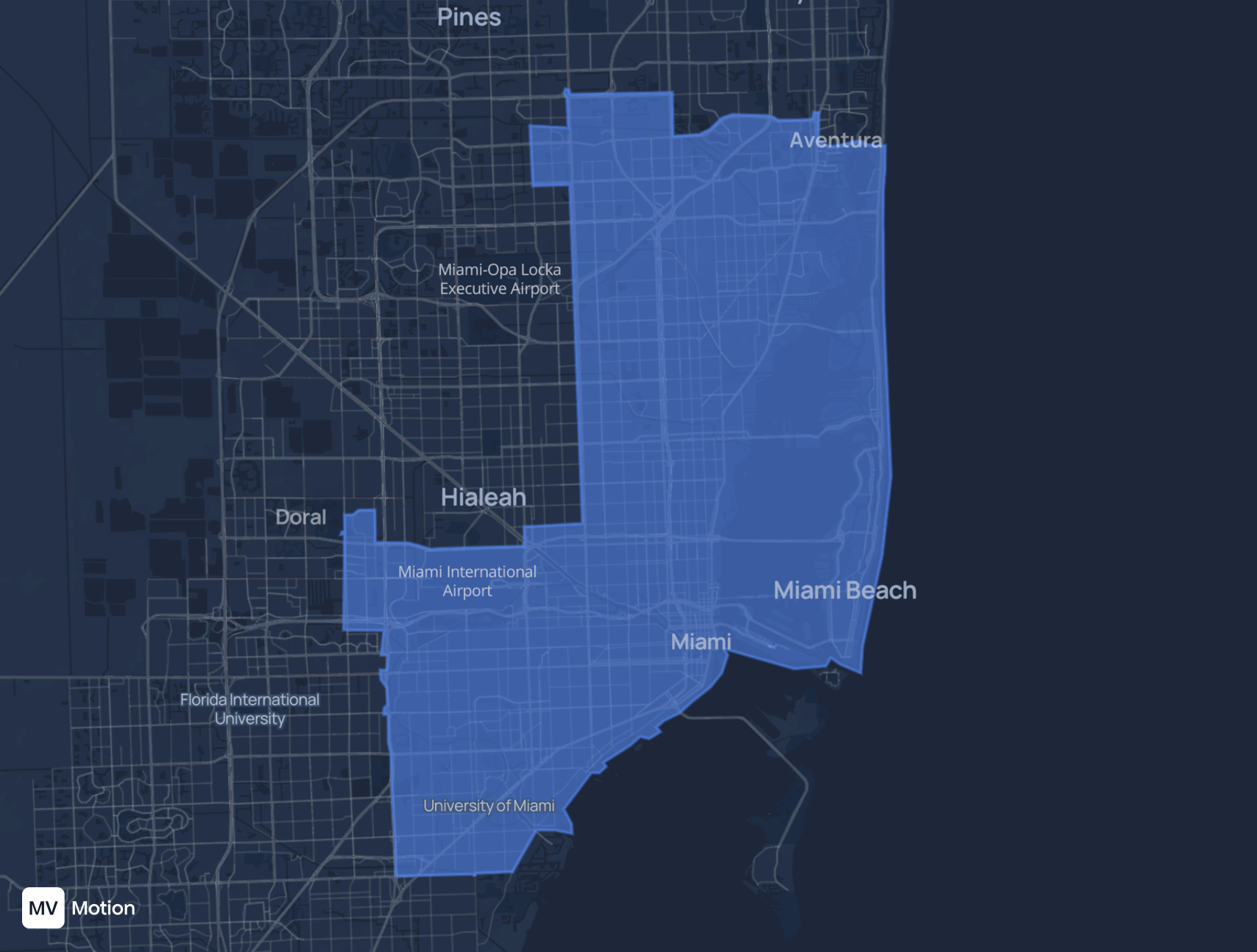
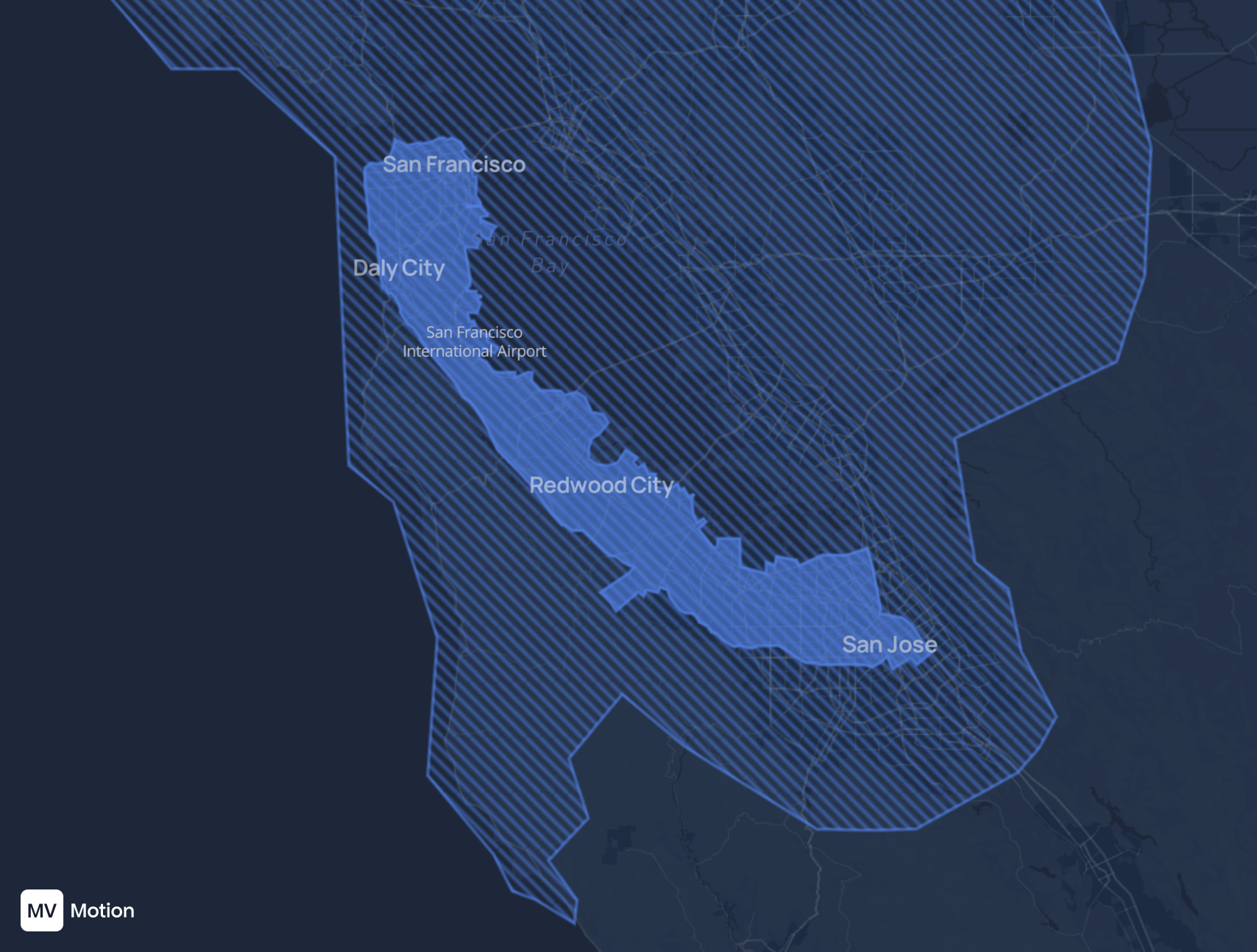
2. Waymo expands geofence in Houston, Miami, and San Jose
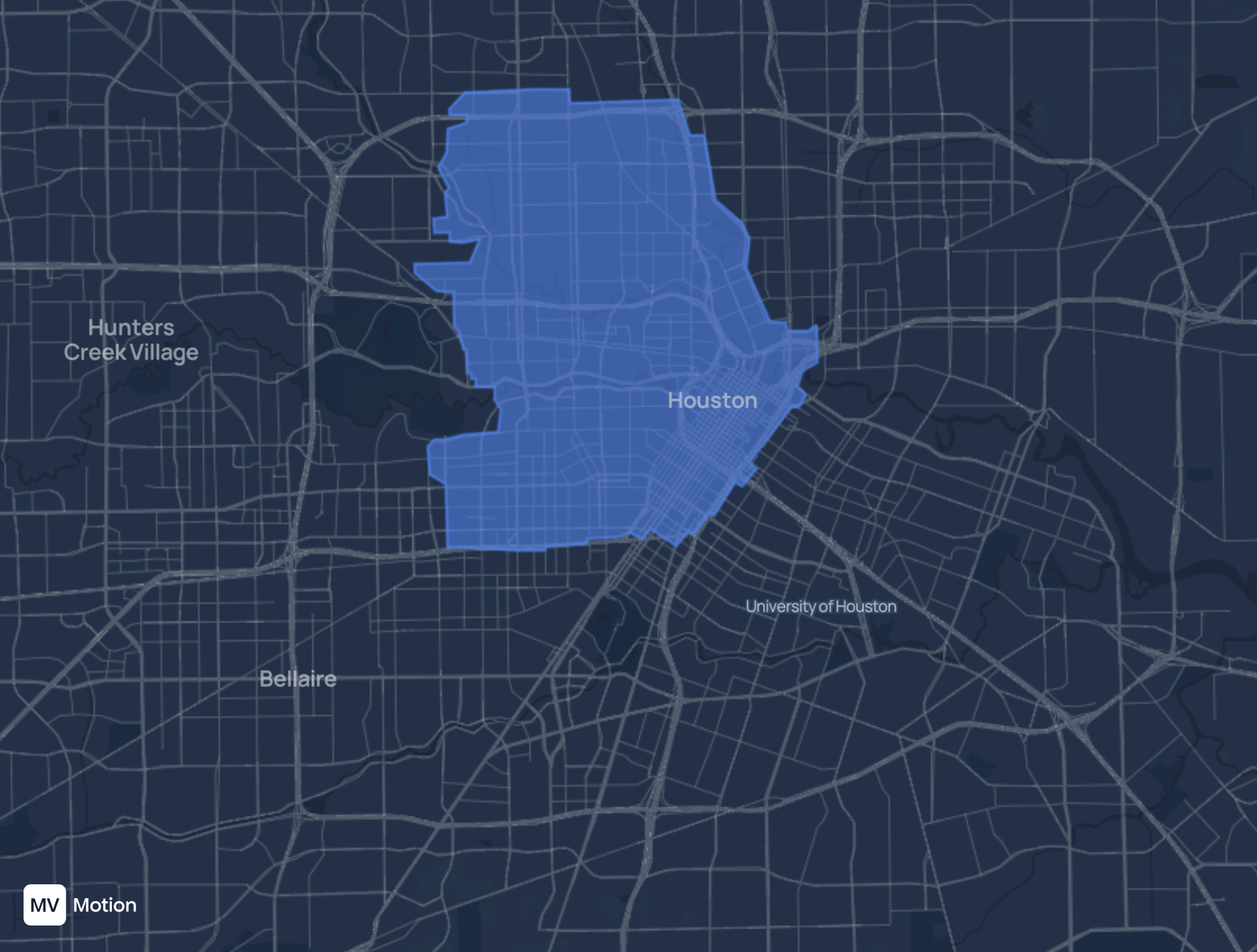
Waymo is again widening its operating footprint, expanding in Houston now and adding larger coverage areas in Miami and the San Francisco Bay Area (San Jose), with Atlanta soon following. With this push, Waymo is aiming to cover 1,400 square miles across 11 cities.
Waymo in Houston: Apr-2026
Source: RobotaxiMap.com
Waymo in Houston: May-2026
Source: RobotaxiMap.com
Waymo in Miami: Apr-2026
Source: RobotaxiMap.com
Waymo in Miami: May-2026
Source: RobotaxiMap.com
Waymo in San Jose: Apr-2026
Source: RobotaxiMap.com
Waymo in San Jose: May-2026
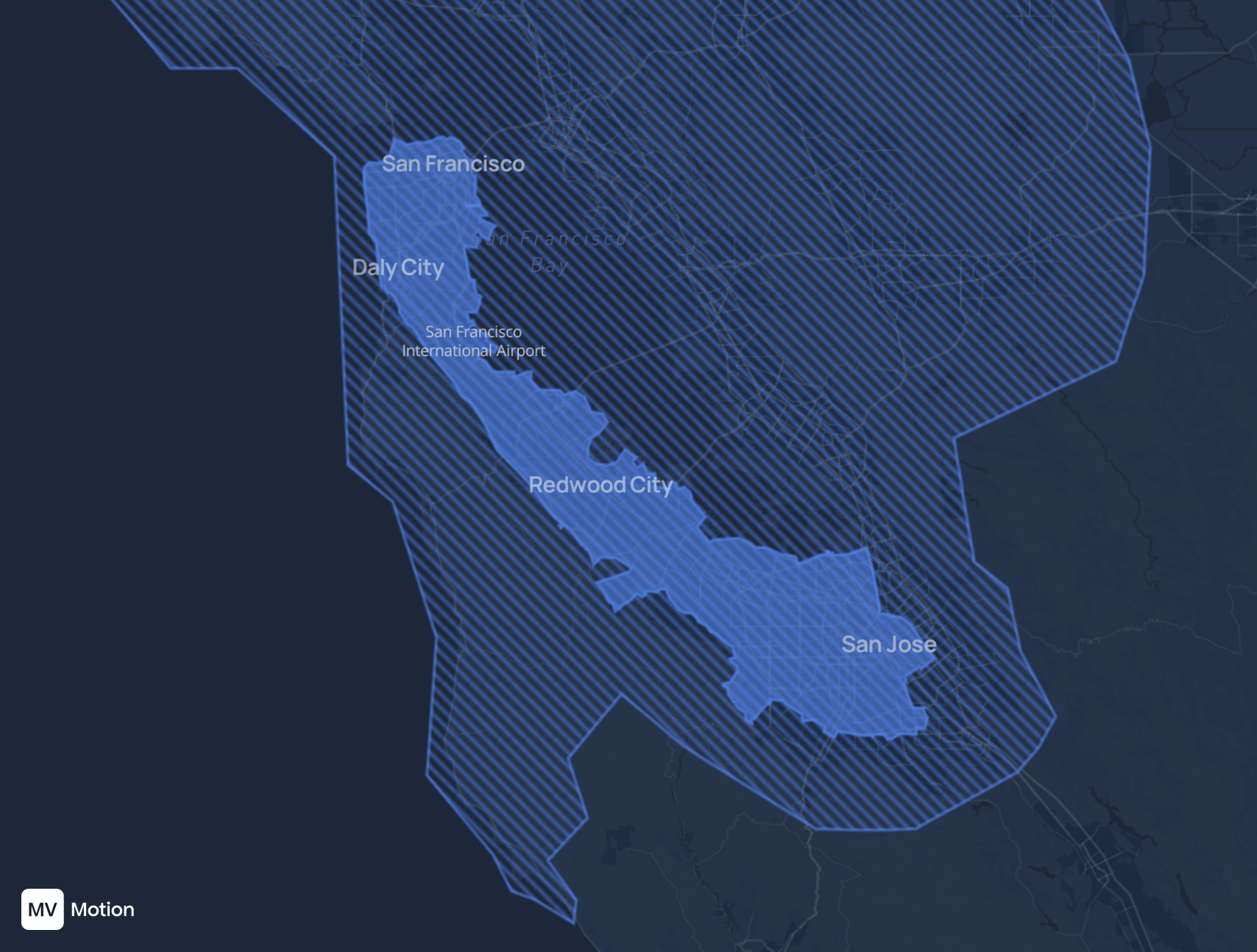
Source: RobotaxiMap.com